We are very proud to admit that “India resides in its villages.” If you want to see the real face of India, you need to visit its villages. Even the figures reflect that –
“According to the Census 2001, in India out of total population of 1027 million about 285 millions live in urban areas and 742 millions live in rural areas.”
Now a similar set of figures for literacy if seen will reflect a better picture of India in its villages –
“The Census 2001 analysis further reflect that the overall literacy rate of India (65.2%) has a contribution of 59.21% from the rural areas while 80.06% from the urban areas.”
Now consider how literacy is calculated in India –
“Literacy, as defined in Census operations, is the ability to read and write with understanding in any language. A person who can merely read but cannot write is not classified as literate. Any formal education or minimum educational standard is not necessary to be considered literate.”
So how do the census data collectors find out whether a person is literate or not is by making him write his name.
This means that the people who can properly read and write in India would be somewhere 50% of what the census shows or even far below that.
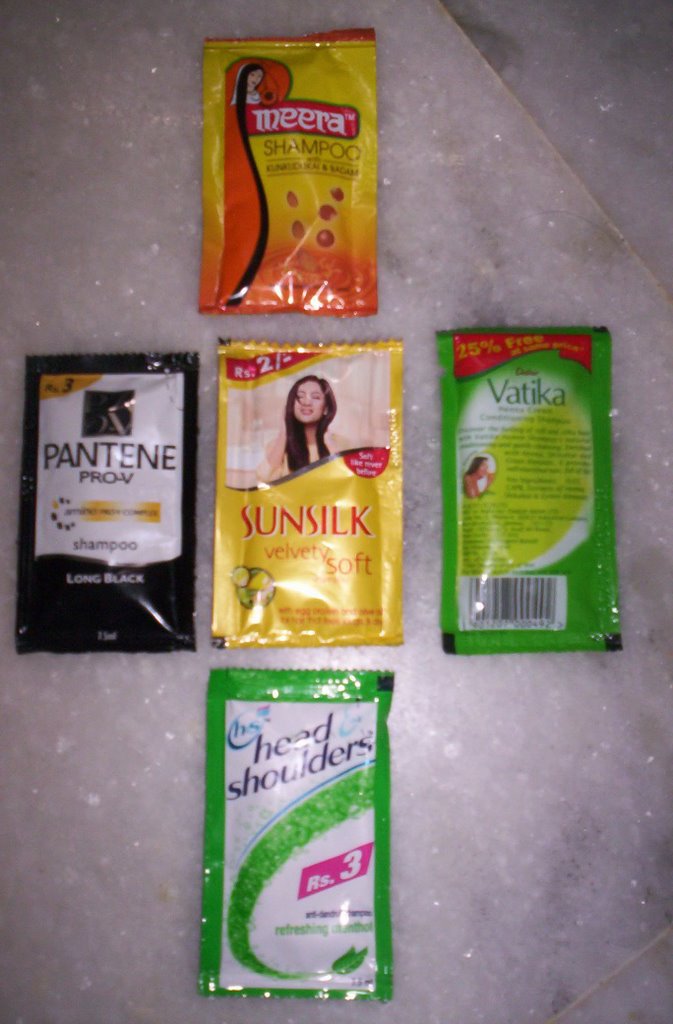
Interestingly, majority of these 50% would be literate in their local dialect only. Now when majority of India’s population lives in villages and understands the local dialect, the wrapper of every consumer good should have instructions in the local dialect written over it. And this requirement becomes further more important in case of medicines. The criticality increases in case of life saving drugs.
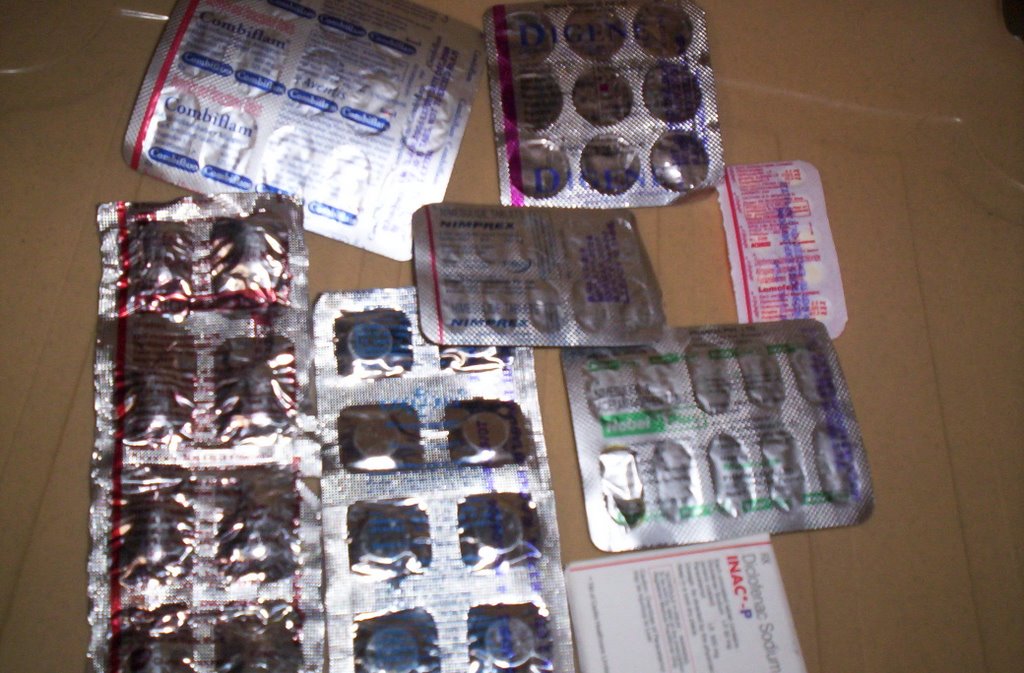
Enclosed as a sample picture are some common medicines which are available in every medical shop. Kindly note carefully that not even a single alphabet on these wrappers is in the local dialect.
Lack of ability of an individual to read instructions, manufacturing date and expiry date of these daily use medicines pose a severe threat to the community.
Thanks to Kiran Nanduri
The X-Man
Manish Saini